
St Ives Bay Line Rail Ale Trail – Scenic Pub Crawl on Cornwall’s Coastline
Explore the St Ives Bay Line Rail Ale Trail – a scenic short train journey from Penzance to St Ives with stops at historic Cornish pubs. Discover cosy village inns and harbour-front taverns serving local real ales, hearty food and plenty of character. The perfect day trip for beer lovers and rail enthusiasts in West Cornwall.
ALE TRAILS
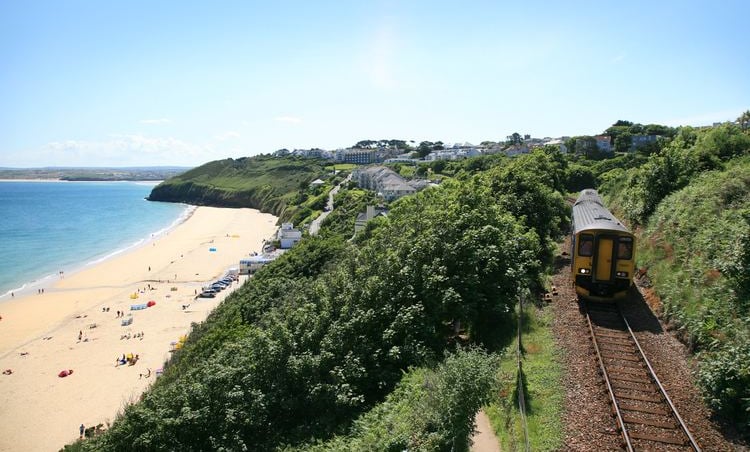
The St Ives Bay Line Rail Ale Trail offers a unique way to explore Cornwall’s pubs by train, running between St Erth and St Ives. Launched in June 2005, this organised “pub-crawl” covers 14 historic inns and taverns within a few miles of the picturesque branch line. The idea is simple: ride the short but stunning St Ives Bay Line (6¾ miles of coast, estuary and cliff-top views) and hop off at each stop to sample local ales, ciders and pub grub. The journey has a laid-back pace – you’re encouraged to “take it easy” and enjoy the trail over time, rather than racing through all stops in one day. Along the way, participants collect stamps (in a free trail passport) from pubs they visit; collecting 6, 10 or all 14 stamps wins you special souvenir badges or a T-shirt. In short, it’s a fun, sustainable way to see this part of Cornwall’s rail heritage while savouring its celebrated real ales and friendly pub hospitality.
The St Ives Bay Line itself is famous as one of England’s most picturesque railways. Kicking off at St Erth (where it branches off the Cornish main line), the train runs alongside the Hayle estuary before climbing onto the cliffs overlooking Porth Kidney Sands and the golden beaches of Carbis Bay. It then winds around the headland to reach St Ives, passing through Cornish fishing villages and cliff-top meadows. Many travellers use the off-peak day return ticket (about £6.30 before discounts) to hop on and off all day between Penzance and St Ives (via St Erth). The views – from marshes with wading birds, to sweeping bay panoramas – make the journey as memorable as the pub stops. For anyone who loves trains, beer or both, the trail combines them perfectly in a short out-and-back adventure.
Trail Highlights: Pubs and Ale Along the Way
The Rail Ale Trail highlights pubs in Penzance, Lelant, and St Ives – all reachable from the line. In practice, most people start at Penzance (where the mainline connection is) and collect a group of pubs there, then head up the branch line. Here’s a brief guide to each establishment and what makes it special. (Check opening times in advance – some venues open only in daytime, especially outside the summer season.)
Pubs in Penzance: From Brewing Taps to Harbour Inns
Penzance – the market town at the west end of the railway – provides a convenient collection of trail pubs. Just behind the town centre are four featured pubs, each with its own character:
The Crown, Penzance – A real locals’ pub tucked on a quiet Victorian square off the main street. The Crown is actually the brewery tap for Cornish Crown Brewery, so expect a proud selection of their cask ales on rotation. Inside, the décor is cozy but unfussy – think upholstered bench seating, an old mirror across one wall, and a snug two-table corner for intimate chats. There’s no kitchen here, but customers are welcome to bring in food (plates can be provided). With a friendly community vibe and regular events (live acoustic music on Mondays, a pub quiz on Tuesdays), it’s a picture of a traditional Cornish backstreet pub.
The Dolphin Tavern – This picturesque harbour-front tavern is one of Penzance’s oldest and most storied pubs. Set right on the quay, the Dolphin dates back to at least the 16th century and is steeped in maritime legend. Stepping inside feels like boarding an old ship: low beams, dark wood panelling and even rope rigging add to the ambience (the owners themselves describe an “awe-inspiring sense of history” in the aged granite walls). The pub is renowned for its fine ales and hearty menu, plus a warming, welcoming atmosphere – locals and visitors alike have long made it a favourite. Classic pub dishes and high-quality ales from regional breweries mean there’s always something satisfying on offer.
The London Inn – A historic coaching inn on Causewayhead near the rail station. Despite a period of decline, the London Inn retains old character: the two separate bars are lit by vintage gas lamps, and out back is a pleasant beer garden (the former stable yard) where families are welcome. Real ale lovers will find rotating local and guest ales on tap, although availability can vary (especially in winter). The inn’s quirky past includes serving as an overnight stop for convicts on their way to Australia, and no food is cooked in-house – just snacks – but the pub’s friendly atmosphere and interesting history make it a unique stop.
The Pirate Inn – Out towards the north of town, the Pirate Inn (on Alverton Road) is a classic family-friendly pub with large gardens and a wide menu. Founded as a farmhouse in 1674 and converted to an inn in the mid-20th century, it looks quite modern inside but keeps a traditional pub feel. It serves “good food at reasonable prices” (according to its own site) and welcomes dogs, children and campers alike. Its large beer garden, with a children’s play area, is perfect for summer afternoons. You’ll find a few well-kept ales alongside standard lagers and ciders, as well as live music nights. Overall, the Pirate Inn is a sociable spot – a convenient final Penzance stop before catching the St Ives branch.
Each Penzance pub on the trail has its own USP, but they all share a commitment to well-kept beer and Cornish hospitality. Together, they are an easy introduction to the area’s pub scene before boarding the train.
Lelant and Near St Erth: Country Inns by the Estuary
After Penzance, the train heads east for a short distance to St Erth. Strictly speaking, no pub is in St Erth itself on the trail list, but a couple of country inns in nearby villages count as the Lelant section:
The Badger Inn, Lelant – Nestled in the village of Lelant, a mile north of St Erth station. An elegant old inn (formerly called the Lelant Hotel) with a large garden, the Badger is famed for its food and ambience. It was modernised in 1900 and gained its current name in 1975. Inside, original features like the big fireplace and wood panelling have been preserved. The Badger has seen some notable guests – Virginia Woolf even stayed here in 1909 and wrote about its comfort. Today it’s an award-winning gastro-pub with an extensive menu (including a popular Sunday carvery) served in spacious, wood-furnished rooms. Meanwhile, the bar offers several ales and a choice of fine drinks, making it a charming countryside stop just steps from the coast path.
The Watermill, Lelant – A charming pub just on the Lelant side of the railway line, the Watermill lives up to its name: it has a real working waterwheel at its side. The interior is cosy and traditionally furnished, and the pub has a large garden – families and dogs are welcome here. They pride themselves on “great food and beer in a cosy bar setting”, emphasising local, freshly made dishes and a selection of ales. It’s exactly the kind of friendly spot you’d stumble upon on a Cornish village outing. Call ahead, as opening hours are short most days (closed in early afternoon weekdays), but it’s worth checking out especially if you need a leisurely lunch break.
These two Lelant pubs are an easy detour from the train: Lelant station or Lelant Saltings station are the nearest stops. The Badger, in particular, serves as a comfortable bed-and-breakfast inn as well, so it can also be a nice overnight stop for a longer trip.
St Ives Harbour Pubs: Beer with a View
The final stretch of the trail brings you into St Ives, the jewel of West Cornwall. Here five trail pubs await (two are right by the station, others a short walk through winding streets). St Ives pubs tend to combine old fishing village charm with a lively coastal vibe. The standout pubs are:
The Golden Lion, St Ives – A former coaching inn dating back to the early 19th century, located just a couple of minutes’ walk from the harbour. Today it’s still very much a “locals’ local”. The Golden Lion has two distinct bars: a quieter front bar where many older patrons chat by the (unused) big TV screen, and a livelier rear bar used for music and games. Above all, it’s unpretentious and welcoming. The pub has an outdoor courtyard garden for warm days, and carries several cask ales (often from Cornish microbreweries) that increase in selection over the summer. Warm pine beams and relaxed chatter make it feel like an authentic Cornish watering hole. Under recent management, the Golden Lion remains much as it always was – full of local characters and good cheer. It’s a great first stop on arrival in St Ives.
The Castle Inn, St Ives – Housed in a historic building dating to at least 1841, the Castle Inn stands on Fore Street (a narrow, hilly pedestrian lane) and prides itself on real ale. Its name comes from part of the forebear offices of the old Union-Castle shipping line (a 19th-century mail company). Inside, the single roomy bar exudes nautical character: high open ceilings with wooden beams, slate floors, stained-glass windows and a host of fishing and ship memorabilia lining the walls. It’s been CAMRA-accredited for its beer quality. On tap you’ll find up to half a dozen well-kept ales (split between national brands and local microbrews) and a couple of draught ciders. Locals and visitors mingle here; the atmosphere is busy yet friendly. The pub also proudly stocks a large selection of gins behind the bar. In short, the Castle is a classic St Ives pub experience, offering both traditional charm and a strong line-up of beer.
The Union Inn, St Ives – Another snug town-centre inn at 20 Fore Street (around the corner from the Castle). The Union Inn is very cosy: it’s small, carpeted throughout, and set on two split levels in old Cornish cottages. It has a warm, friendly vibe and is popular year-round, though it can get especially crowded in summer. The walls are decorated with antique photographs of the harbour (reflecting St Ives’s maritime past). The pub serves a simple but hearty menu continuously (even late into the evening), with vegetarian options included. It typically has a few guest ales on, and even offers a real cider (Weston’s Old Rosie). Live music on weekends adds to the convivial atmosphere. Unlike the often brash pubs on Fore Street, the Union Inn feels like a quiet hideaway – a place to sit with friends, maybe sip a glass of cider by the fire, and soak up the local character.
The Sloop Inn, St Ives – Arguably the most famous pub in town, the Sloop sits right on the harbour front with views of the boats and breakwater. It claims to date back to around 1312, making it one of Cornwall’s oldest inns. Its stout stone exterior and narrow forecourt are instantly recognisable. Legend and lore abound: in past centuries the Sloop was said to be a haunt of pirates, wreckers and even the town’s Victorian-era courtesans. Peering above the front door you can still see the old iron grille where captured smuggled goods were once stored. Inside, timber beams and cobbled floors create a cosy, tavern feel. Ghost stories even surface – locals tell of a lady in Victorian dress who “floats” in the fishermen’s bar on stormy nights. Today, the Sloop still feels like a place out of history. It offers both a casual bar area for drinks and a more formal upstairs dining room (“Captain’s Table”) serving seafood and Sunday roasts. Well-maintained ales and ciders are on tap, and there’s often live music outside or by the fire.
Each of these St Ives pubs has earned a strong reputation for atmosphere and well-kept beer. Many real ale enthusiasts cite the Castle, Golden Lion and Union as among the best pubs in town for cask-conditioned brews. The Sloop Inn, beyond its history, is also highly rated both for its menu and beer selection. Most of these pubs allow dogs and serve food, making them great venues for every kind of pub-goer.
Planning Your Trip and Trail Tips
While the pubs are the stars, a few practical tips make the trail run smoother. First, don’t try to visit all pubs in one go – the promoters expressly encourage taking it at a leisurely pace. Plan your route carefully around the train timetables. Since the branch line is single-track with limited service, be sure to check the schedule (timetables are widely available online). Many participants use an Off-Peak Day Return from Penzance to St Ives, which allows unlimited hops (changing at St Erth) for about £6.30 and is valid all day. If travelling with friends, a GroupSave or Devon & Cornwall Railcard can shave a third off the fare.
Remember to print or save the official Rail Ale Trail stamp sheet (one per person). Show it to the pub staff and ask them to stamp it – they’re used to it, especially outside of high summer season. It’s polite to pick a quiet time for stamping (most pubs are busiest evenings or late afternoons), and calling ahead can avoid confusion about hours. In winter, check opening times – some pubs might close between lunch and dinner or have shorter hours. Also, be sure to respect the pubs, train schedules and drink responsibly – the trail is designed as a friendly community event.
Between pub visits, take advantage of the gorgeous scenery. The train ride itself is one big highlight, and many people step off to take photos of the bay. If you have time, you could also walk parts of the South West Coast Path that run parallel to the railway (for instance, between Lelant Saltings and St Ives) – it’s a lovely change of pace. Otherwise, once in St Ives, you can wander its art galleries, beaches and winding streets (St Ives grew famous as an artist colony), turning the day into a full Cornish adventure.
Experience and Atmosphere
One of the best things about the St Ives Bay Line Rail Ale Trail is the diversity of pub experiences all within a single journey. In Penzance, pubs range from a quiet niche locals’ tap (The Crown) to a lively harbour tavern (The Dolphin). Lelant offers a charming village inn (Badger) and a cosy converted watermill (Watermill) – the very setting of one is a pub garden with a turning wheel. Arriving in St Ives feels like entering another world: one minute you’re in rugged coastal Cornwall, the next you’re amidst cobbled streets and bustling harbour life. The pubs here capture every facet – from snug locals’ joints to tourist-frequented waterfront inns.
The common thread is warm service and character. Staff in these pubs tend to be friendly and knowledgeable about their beers and history. At the Badger, for example, owners will happily chat about the pub’s past as Virginia Woolf’s holiday inn. At the Dolphin or the Sloop, the owners and bar staff often share a bit of lore about the building. In all places, you’ll find that ales are well looked-after – poured properly and kept in good condition, which real-ale fans will appreciate. Food menus typically focus on hearty Cornish classics (fish and chips, pasties, roast dinners) made from local ingredients, supporting the trail’s theme of showcasing Cornish produce.
Socially, the trail tends to attract both locals and visitors. Weekday mornings and afternoons can be peaceful, with elderly regulars or tourist families; early evenings see a mix of after-work locals and trail participants. Weekends and holidays are busiest (especially August), so you’ll feel the buzz of holiday crowds. Despite that, the pubs maintain a friendly atmosphere – often groups of ale trail-goers get talking, comparing notes on which pub they liked best. Between pubs, chatting on the platform or train can even turn into impromptu pub recommendations. In short, the Rail Ale Trail has the spirit of a small festival and a community effort – one that puts Cornish pubs and railways in the spotlight.
Final Impressions
The St Ives Bay Line Rail Ale Trail is as much about the journey as the destination. Riding the train between each stop adds a wonderful sense of discovery – one moment you’ll be watching herons in the estuary, the next you’re gazing at fishing boats, all on your way to another welcoming pub. The trail cleverly ties together history (old inns and railway heritage), nature (coastal and countryside views) and, of course, real ale culture. Many participants highlight that this is not a race or pub crawl for its own sake, but a relaxing day out where you can savour Cornwall’s best cask ales and hearty food at your own pace.
For beer lovers, the quality of the ales on offer is a recurring positive theme. Pubs on the trail stock not only mainstream bitters but also real ales from Cornish breweries (e.g. Skinner’s, Sharp’s, and local microbreweries). Even folks who come mainly for the scenery end up enjoying the unexpected pleasures of a pub quiz, a friendly chat with the bartender, or a slice of homemade cake. By the end of the day, most people have discovered at least one new favourite pub or beer.
The St Ives Bay Line Rail Ale Trail perfectly showcases the best of West Cornwall in one outing. From the historic pubs of Penzance to the quaint inns of Lelant, finishing with the lively harbour pubs of St Ives, this trail is a pint-glass journey through Cornish culture and scenery. It’s ideal for both locals and tourists: a way for Cornish residents to deepen their appreciation of local villages, and for visitors to experience Cornwall beyond just the beaches. Whether you’re crossing it off a bucket list or stumbling upon it by chance, the trail leaves you with memories of great beer, satisfying food and warm Cornish hospitality – not to mention the feeling of having seen a uniquely beautiful part of England by rail.
© 2026. All rights reserved. All other trademarks and copyrights are the property of their respective holders.
Please drink responsibly. This website promotes pub culture and community responsibly. If you or someone you know needs support, visit https://www.drinkaware.co.uk