
Tamar Valley Line Rail Ale Trail – Scenic Train Journeys, Historic Pubs and Cornish Ales
Launched in 2004, the Tamar Valley Line Rail Ale Trail invites beer lovers and train enthusiasts to hop on the charming Plymouth–Gunnislake branch line. This self-guided “train pub crawl” weaves through Devon and Cornwall’s Tamar Valley, stopping at traditional pubs – from Plymouth’s Barbican to rural village inns in Bere Ferrers, Bere Alston, Calstock and Gunnislake.
ALE TRAILS
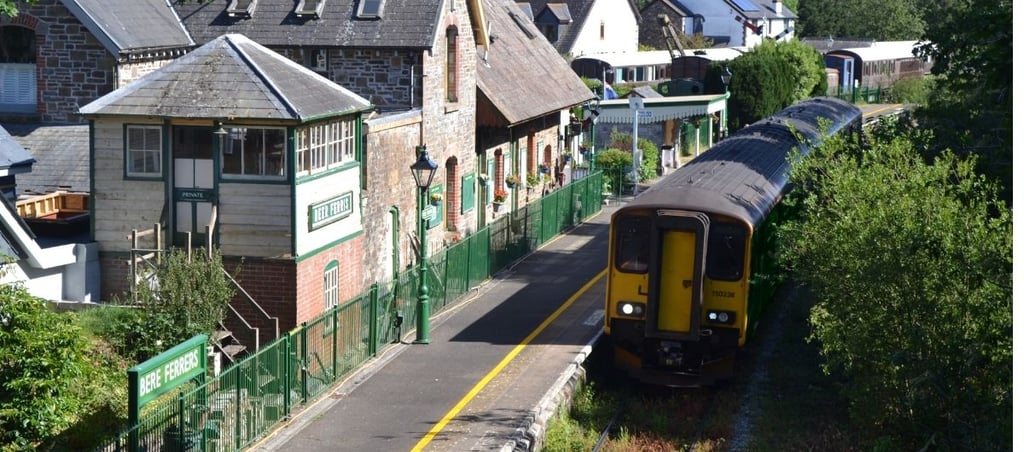
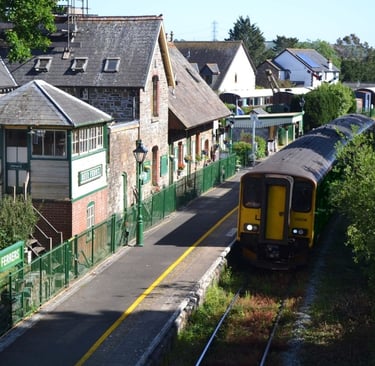
The Tamar Valley Line Rail Ale Trail offers a picturesque West Country adventure by train. Running from Plymouth to Gunnislake, this 14‑mile branch line winds through lush Devon and Cornwall countryside. Along the way, passengers can hop off at welcoming pubs that lie near the stations. The trail is self-guided: riders show their rail ticket at each pub to collect a stamp, and anyone who collects 10 stamps (including at least two from the Tamar Valley villages) wins a free commemorative T-shirt. Launched in 2004 by the Devon & Cornwall Rail Partnership, the scheme was designed to encourage use of the railway and support rural pubs. In practice, it means the train itself becomes the “designated driver” as you travel between pubs, enjoying locally brewed ales and hearty food at every stop.
The Tamar Valley branch line is officially considered one of Britain’s most scenic railway routes. Much of it lies within the Tamar Valley Area of Outstanding Natural Beauty, with wooded hillsides and river views all around. The highlight is the impressive Calstock Viaduct – a 12‑arch stone span built in 1907 – which carries the line 120 feet above the River Tamar. Trains slow as they cross, offering passengers breathtaking views of the valley and water below. For beer lovers, the backdrop couldn’t be better: a peaceful countryside setting paired with pub stops serving real ale and local cuisine. In short, the Tamar Valley Rail Ale Trail combines Britain’s classic pub crawl with a vintage train outing through Cornish country.
How the Trail Works
The trail follows a simple concept: Ride the train, visit pubs, and earn rewards. Pubs participating in the trail are all close to stations along the Plymouth–Gunnislake line. Riders can buy a normal rail ticket from Plymouth (or any station on the line) and show it at each pub for a free stamp. There is a printable stamp sheet available online, and completing ten stamp spaces (with at least two from rural Tamar Valley stops) qualifies the collector for a special Tamar Valley Rail Ale Trail T-shirt. The Devon & Cornwall Rail Partnership keeps the trail running, often in cooperation with CAMRA (the Campaign for Real Ale). It’s essentially a sponsored pub crawl that rewards train travel.
In practical terms, one might start in Plymouth, take the branch line up to Gunnislake, and hop on and off the train all day. Trains run roughly hourly on weekdays (with more frequent peak services) and the full trip takes about 50 minutes end-to-end. At each stop, the pubs are only a short walk from the station. For example, Gunnislake’s Queen’s Head is about 10 minutes from the station, and Calstock’s Tamar Inn is only a 5-minute stroll from Calstock station. Riders usually plan their day to visit at least ten pubs, but it’s important to pace yourself – this is meant to be enjoyed as a relaxing excursion, not a race. Many participants break the trail over two days or just pick their favourites.
Collecting stamps is straightforward: at each pub simply show your train ticket (or rail pass) and the publican will mark your stamp sheet. This encourages patrons to arrive by train (boosting local rail usage) and keeps the experience safe – no one has to drive at the end. Once you’ve gathered 10 stamps, you can mail in your stamped sheet along with proof of travel to receive the free trail T-shirt. (Typically the pubs or local tourist offices can provide the official stamp sheet.) The sense of an “old‑fashioned pub crawl” with a modern twist makes the experience fun: a bit of train spotting and sightseeing combined with beer tasting. As one lively guide puts it: “Let the train be your designated driver”.
The Scenic Route
The journey itself is a major attraction of the trail. Starting at Plymouth station, the branch line passes Devonport Dockyard and urban Plymouth suburbs before reaching the countryside. After Devonport it is single-track all the way to Gunnislake, with trains carefully using a token system due to its one-train operation. About halfway, the line crosses between Devon and Cornwall.
One of the first notable stops beyond Plymouth is Calstock, a pretty riverside village. Here the train traverses the Calstock Viaduct, a memorable sight and photo spot. Built over a century ago, this 11-arch structure is the star of the line’s scenery. Passengers heading north can disembark at Calstock station to visit the Tamar Inn (a riverside pub with a terrace, see below) and admire the view from the riverbank. The route often offers glimpses of boats, riverbanks and even wildlife in this rural part of the Tamar Valley.
Further north lie the villages of Bere Ferrers and Bere Alston, which sit on opposite banks of the River Tavy (ironically called “Beer Ferrers” locally). Both have stations and traditional village pubs nearby. Bere Ferrers is a charming spot with a historic station building and the cozy 16th-century Olde Plough Inn close by. Bere Alston’s station is a short walk from its pub, the Edgcumbe Hotel, a large traditional pub that has only recently reopened after refurbishment. These stops are quiet, rural and the pubs there are classic examples of Cornish/Devon country inns.
Finally the line reaches Gunnislake, the northern terminus. Gunnislake is a small village in Cornwall (just across New Bridge from Devon). Here are three key pubs: the Queen’s Head (in Albaston, a hamlet just before Gunnislake station), the Cornish Inn in the village centre, and the Rising Sun Inn, which lies towards the valley bottom. Each has character – flagstone floors, wooden beams, roaring fires – and all welcome rail travellers. Gunnislake is the last stamp on the trail for many, and finishing here with a pint is a popular way to end the journey.
Between the pubs and the train ride, the Tamar Valley Line offers abundant natural and heritage interest. The entire route winds through pastoral farmland, wooded river valleys and former mining landscapes (the valley’s tin and copper mines helped shape local history). A wander around Calstock or Gunnislake during the trip can reveal old mining relics and beautiful waterfronts. According to local guides, this line has even been rated one of the UK’s “most scenic” railway journeys. In 2025, one travel platform gave it a 9.05/10 score for its gorgeous countryside and affordable fares. Indeed, beyond the pubs, the main appeal is simply gazing out the window at the Tamar River, wooded hillsides and the iconic viaduct, all while sipping a well-earned pint.
Pubs on the Trail
A highlight of the Tamar Valley Rail Ale Trail is the eclectic mix of pubs on offer – from city bars to rural inns. In total the trail connects around a dozen to 17 pubs along the line, including seven or eight in the Plymouth area and several in Cornwall. (Some sources cite 17 pubs at launch, others note that the number fluctuates with openings and closures.) These range from historic taverns to community locals. Here’s a tour of some of the key pubs by location:
Pubs in Plymouth: Many of the trail’s pubs are reached after travelling the short distance from Plymouth station into the city centre. For example, The Dolphin Hotel on the Barbican waterfront is often mentioned. It’s “a Plymouth institution” famous for cask ale (often Bass) and a traditional pub atmosphere. Similarly, Admiral MacBride, located near the Mayflower Steps, is a classic local pub with a relaxed feel. The Bread & Roses on Ebrington Street is a sympathetically restored Victorian pub in town, serving cask ales from regional breweries and hosting live music. Other Plymouth pubs on the trail include the Maritime Inn (also on the Barbican), the Fortescue Hotel on Mutley Plain (CAMRA-approved with a range of real ales), and the community-oriented Clifton Inn in Greenbank. Together these city pubs provide a taste of Plymouth’s pub heritage before you even leave town.
Devonport: Close to Plymouth, the suburb of Devonport has at least one entry on the trail. The Lounge on Stopford Place is a neighbourhood pub near Devonport Park. It’s a traditional street‑corner pub (no food served) that appeals to locals. It’s conveniently just a few minutes’ walk from Devonport station, making it easy to drop in for a quick pint on the way out of Plymouth.
Bere Ferrers: As a station on the branch line (between Bere Alston and Calstock), Bere Ferrers has one main pub: The Olde Plough Inn. This 16th-century village pub sits a short walk from Bere Ferrers station. It has flagstone floors and open fires, giving it rustic charm. The tavern overlooks the River Tavy and often offers cask ales and good pub food. Its cosy atmosphere makes it a great spot to break the journey.
Bere Alston: The village of Bere Alston, on the Devonbank side of the river, also offers a pub near its station. The Edgcumbe Hotel at 2 Fore Street is a large, traditional country pub. After recent renovations, it has re-opened with a classic village-pub feel. While it doesn’t have an extensive food menu (it’s primarily a drinking pub), it provides a warm stop with ale on tap – exactly the sort of place this trail aims to highlight.
Calstock: This scenic river village has a particularly lively pub. The Tamar Inn is a 17th-century riverside pub right on Calstock quay. It has plenty of outside space (gardens and terraces) where you can drink overlooking the Tamar and the viaduct. Inside, you’ll find flagstone floors and a friendly atmosphere. The pub is well-known locally for serving good ales and meals. A stop here is almost obligatory for trail-goers, as it combines views of the water (and often passing steamers) with hearty Cornish hospitality.
Gunnislake and Albaston: At the northern end, Gunnislake offers several pubs clustered in the village. The Queens Head in Albaston (near Gunnislake station) is one stop – a freehouse with a warm and friendly atmosphere. It’s a mid-sized pub that serves home-cooked food and local ales, ideal for groups. In the village centre, the Cornish Inn is a traditional inn on the square. It often has real ale on tap and a cosy lounge. Finally, the Rising Sun Inn is a characterful tavern at the bottom of Gunnislake, noted for its flagstone floors and beams. It has an upstairs bar as well as a snug area, and also offers food. Many travellers like to finish their trail here with a pint outside (when weather permits) or by the fire.
Most of these pubs focus on real ale – the staple of any good rail ale trail. Being un-tied or CAMRA-friendly outlets, they usually stock local brews (for example, ales from Otter or Sharp’s in Cornwall, or microbreweries in Devon). Menu-wise, one can generally expect classic pub fare: fish and chips, burgers, pies and Sunday roasts in season. For example, the Tamar Inn is known to serve Cornish pasties and seafood chowder, while some city pubs in Plymouth might offer gourmet burgers and vegetarian options. Vegans and vegetarians will usually find at least a couple of non-meat options on these menus. Importantly, staff at these pubs are generally accustomed to rail visitors; they will stamp your booklet and may even recommend a beer or dish that pairs well with the Tamar Valley setting.
It’s worth noting that opening hours vary: some village pubs are only open late morning to early evening or even just on weekends, reflecting local demand. Checking ahead (via pub websites or CAMRA/WhatPub listings) is wise if you have strict timing. But in practice, most pubs stay open through the afternoon and evening, fitting a typical day-tripper itinerary. Also, because the pubs range from city-centre to rural, the crowd can shift – you might start with office workers in Plymouth pubs at lunchtime, then see more tourists and locals at the remote Inns.
Train Travel & Tips
Getting around on the trail is straightforward. You begin at Plymouth (the main terminus) and take the Tamar Valley Line train north. Most people travel from Plymouth up to Gunnislake and stop at pubs on the way back down, though the trail works in either direction. The train journey is roughly 50 minutes end-to-end, with hourly service on weekdays (and around every two hours on some off-peak weekends). There is one brief layover at Calstock where the driver changes ends of the train. The nearest railway stations to these pubs are, in order from south to north: Plymouth (for Plymouth pubs), Devonport, Bere Ferrers, Bere Alston, Calstock, and Gunnislake.
Keep in mind that Bere Ferrers is a request stop, so you may need to signal to the driver if you want to alight there. Gunnislake is the last station on the line; Plymouth is the first. The stations themselves are typically unmanned halts (some with just shelters or small platforms), except Plymouth which is a full station. Free parking is available at Gunnislake (handy if you drive to meet the train) and at Calstock, though not at smaller villages. Bicycles are also permitted on these trains if space allows, which can be handy for combining biking with a pub lunch.
We should also mention that this trail is meant to be savoured: you don’t have to visit every pub in a single day. The advice from organisers is to take it easy – travel at a leisurely pace. It’s fine to spend a couple of hours at your favourite spot or split the trail over two days. On a practical note, calling ahead to pubs for opening times and food menus can help plan your stops, especially outside summer. If you’re dedicated, it’s possible to hit ten pubs in one long day (especially if you start early), but many participants spread it out or simply enjoy a dozen or so as they please.
Don’t forget the reward! As you collect stamps (most pubs have a special log for this), keep track. Once you have 10 distinct stamps, mail or email the completed trail booklet with photocopies of your ticket stubs to the railway partnership and they’ll send you a T-shirt. This bonus is a fun incentive and a souvenir of the trip. Other than that, the main requirement is to respect pub staff, fellow customers and the countryside – the whole idea is sustainable tourism. Many pubs on the trail even have special events or live music nights, so if you time your trip just right you might catch something extra.
Overall Impressions
The Tamar Valley Line Rail Ale Trail is a unique fusion of countryside rail travel and classic West Country pub culture. Its greatest strength is authenticity: these are not generic chain pubs, but real community pubs and inns, each with its own character. Riding a vintage regional train up a green valley, then stepping off at a cosy, dog-friendly inn, is an experience that feels like a journey back in time. The friendliness of staff and locals, combined with the very decent local ales, leaves a strong impression on many visitors.
In the era of craft-beer hype and high-speed travel, this trail reminds you of simple pleasures: sitting by the fireplace with a proper pint, or watching boats go by after a hearty meal. It’s common to see families, hikers, and oystercatchers (people looking for oysters!) mixed with railway enthusiasts and ale aficionados all enjoying the same line. The combination of river scenery, viaduct, and village charm is unusual and certainly photogenic – you’ll find that even patrons who came for the beer end up taking plenty of pictures of the view.
If there are drawbacks, they’re minor. Being a scenic branch line, the service isn’t super frequent, so you do have to pay attention to train times. On a busy weekend, trains can get quite full as pub-goers pile on, so leaving an hour or two gap between stops can avoid a crush. Also, the pubs vary – not every stop is a gourmet gastropub. Some are bare-bones locals with only simple snacks, which may disappoint those expecting a restaurant meal. But for many, that is part of the appeal.
The Tamar Valley Line Rail Ale Trail is a thoroughly enjoyable day out (or two). It delivers a taste of local history and landscape along with the ritual of pub-crawling, all by public transport. From sampling Cornish ales under the arches of a great viaduct to sipping warm cider by a village fire, you cover a lot of experience between Plymouth and Gunnislake. For anyone exploring Devon and Cornwall, it’s a great way to connect iconic scenery with an authentic pub experience, and it provides a very British way to appreciate both our rail heritage and our pub culture. So grab your train ticket, buckle up for some gentle rail side scenery, and say cheers at the next pint – this is how real West Country tourism is done.
© 2026. All rights reserved. All other trademarks and copyrights are the property of their respective holders.
Please drink responsibly. This website promotes pub culture and community responsibly. If you or someone you know needs support, visit https://www.drinkaware.co.uk